When it comes to dog harnesses, most owners focus on size and style, but the fabric is just as important. The material touches your dog’s body all day during walks, playtime, or travel, so choosing the right one affects comfort, durability, and safety. One material you’ll see becoming more popular in harness design is neoprene. But is it actually a good choice for dogs, or is it just another trend?
Neoprene is a soft synthetic rubber commonly used in wetsuits and sports equipment. It is known for being flexible, cushioned, and water-resistant, which makes it appealing for pet gear. In dog harnesses, neoprene is often used as an inner lining or padding rather than the outer shell, creating a soft barrier between the harness structure and the dog’s skin.
One major advantage of neoprene is comfort. Dogs naturally move a lot during walks, which causes friction where the harness touches the chest, back, and underarms. Neoprene reduces rubbing and pressure by providing gentle cushioning. This makes it an excellent option for dogs with sensitive skin or thin fur, who may otherwise develop redness or irritation from rough fabrics.
Another benefit is moisture resistance. Dogs don’t always stay dry. They roll in wet grass, splash in puddles, and get caught in rain without warning. Neoprene does not absorb water the same way traditional fabrics do. Instead of staying soaked, it dries faster and prevents the harness from becoming heavy or uncomfortable. This is especially useful for dogs that swim or spend time outdoors in unpredictable weather.
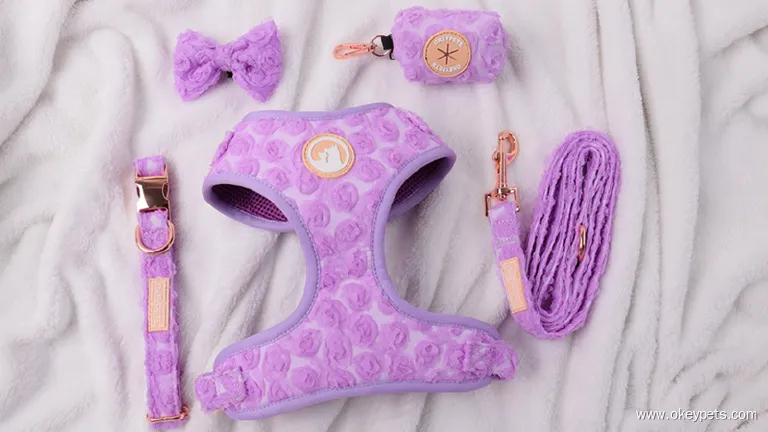
Durability is another reason why neoprene performs well in harness construction. It holds its shape even after repeated bending and stretching. Unlike cotton or soft mesh that can become stiff or worn out, neoprene remains flexible over time. This helps the harness maintain a good fit even after months of use. For active dogs who run or pull, durability is essential, and neoprene offers reliable support.
Neoprene is also known for temperature insulation, which can be both an advantage and a limitation. In cooler conditions, the material keeps warmth close to the dog’s body, offering extra comfort. However, in very hot temperatures, thick neoprene padding can trap heat. That’s why many well-designed harnesses combine neoprene with breathable outer layers to allow air circulation. When used properly, neoprene works best as padding rather than as the primary outer fabric.
Cleaning is another strong point. Neoprene is easy to wipe or rinse, and odors do not cling to it as easily as they do to natural materials. This makes maintenance simpler for pet owners. A quick rinse after a muddy walk often restores the harness without the need for heavy washing.
Of course, neoprene is not perfect. Dogs that are constantly active in very hot climates may feel warmer in padded harnesses. In rare cases, dogs may react to synthetic materials, although this is uncommon. The solution is always to monitor your dog when trying new gear and look for signs of discomfort or irritation.
The quality of neoprene makes a big difference, too. Low-grade neoprene may crack or lose flexibility. A skilled dog harness manufacturer uses high-quality neoprene designed to be flexible, safe, and long-lasting. Some owners also prefer a custom dog harness to ensure the padded areas fit perfectly rather than rubbing the wrong spots. When neoprene is paired with the right design, the harness feels almost invisible to the dog.
Neoprene has also found its way into modern styles, where comfort is blended with appearance through the designer dog harness trend. These harnesses combine soft padding with sleek looks, proving that function and style do not need to be separate.
So, is neoprene a good material for dog harnesses? In most cases, yes. It offers comfort, water resistance, durability, and easy cleaning. As long as it’s used correctly and chosen from a reliable source, neoprene can significantly improve your dog’s walking experience. A harness should protect not distract and neoprene does exactly that when built well.
Choosing the right material is not about following trends. It’s about understanding how your dog moves and what keeps them comfortable. In that respect, neoprene is more than just a good option it’s a smart one.