Video is one of the most efficient ways to gather information. Videos are often short and convey more than a long page of text. Social feeds are used to browse as they watch tutorials, browse demonstrations of their products, or acquire new skills through visual content. The problem has always been creation. Professional video required equipment, editing skills and time. The gap is getting smaller thanks to AI technology for video.
Vivideo.ai lets anyone create professional video content without technical knowledge. Users can focus on their message instead of worrying about complicated software or time-lines. The system will handle everything else behind the scenes.
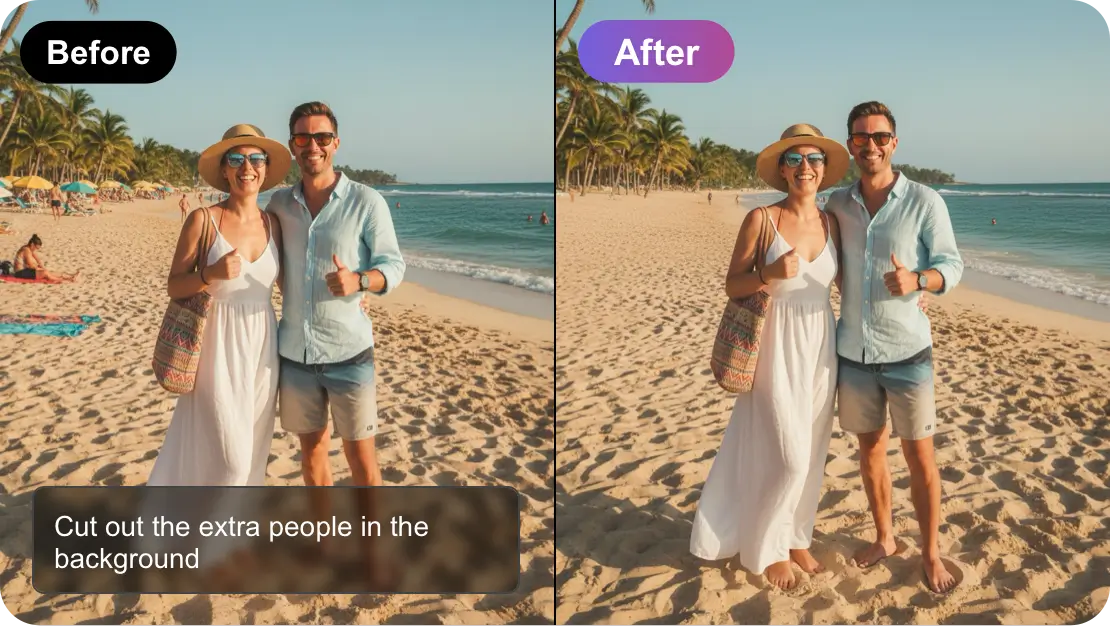
Image credit: vivideo.ai
The Video Creation Process: A Different Approach
The traditional video production process comprises a multitude of steps. Planning, filming, editing, voice recording, exporting. Each stage required people with tools, equipment and cash. The video maker AI simplifies the process into one seamless flow. You describe your idea. The system will create a complete video around the idea.
This alters who is able to create content. Small-scale business owners create marketing videos. Teachers create lessons. Trainers can share training resources. Social creators remain consistent, without burning out. It’s more like writing than editing.
Converting thoughts into visual content
One of the most useful features today is text to video. You paste a script. The AI will select images that are in line with your message. The music plays automatically. The voice narration is added in a neutral tone. The result is like something that once required an entire production team.
This removes hesitation. It is no longer necessary to wait for perfect circumstances. They are able to test their ideas rapidly. They improve content based on feedback. They publish more often because the barrier feels less.
Motion for Still Images
Another powerful tool is image to video. The images themselves are usually flat. AI can help with visual flow, movement, and timing. A few images turn into a story. An image of a brand becomes an effective promotion. A slideshow can become an instructional video.
This is great for telling stories such as product launches, online presentations. There are no animation skills required. The system knows how to create motion that feels natural.
Editing without frustration
Traditional editing tools are overwhelming to novices. Layers, timelines, formats confuse most people. AI platforms help ease this confusion. The user can adjust the image using simple controls. They adjust the pace. They change the visuals. They rewrite narration.
Subtitles automatically appear in several languages. That helps reach wider audiences. It also improves accessibility for viewers who prefer captions.
Voices that Sound Real
The voice technology of AI is now so advanced that it sounds human. You can select to speak in a tone, language or style. The voice will be suited to the message. There is no microphone required. No studio setup. No Retakes.
Some platforms even include digital presenters. They are animated and speak to the screen. These avatars are great to explain business, training, or even updating the company. It helps make the message feel individual without the need to film.
Quality without Compromise
AI-generated video output can be used to support high-resolution. Content can be found on YouTube, TikTok, Instagram, LinkedIn. The format is automatically adjusted. You create once. You are able to share your creation everywhere.
This is a time-saver. It also ensures consistency of branding across all platforms.
What makes AI video feel different
It’s not an technical modification that creates the actual difference. The real change is emotional. People are no longer worried about tools. They focus on ideas. They are confident in their experiments. They’re free to try new things.
Vivideo.ai shift video creation from something stressful into something natural. You think. You think. You publish. You release.
AI video cannot replace creativity. It helps eliminate friction. It allows people to tell stories, teach lessons, or share information without being overwhelmed by the complexity. The future of content feels lighter, speedier, and more human.